by Moira Cullings
moira.cullings@theleaven.org
WASHINGTON, D.C. — Kathryn White looked down from the gallery of the U.S. Capitol here on June 4, 2025, soaking in a moment that was years in the making.
The House of Representatives passed the Support for Patients and Communities Reauthorization Act of 2025 (H.R. 2483), which includes provisions for fetal alcohol spectrum disorder (FASD) — a cause she has been advocating for on behalf of her son for the past five years.
On Dec. 1, 2025, President Donald Trump signed the bill into law.
“I think anyone would do this for their kid,” said White. “Anyone would fight for their kid. It just so happens that mine has a brain-based disability.”
Raising awareness
White is a parishioner of Sacred Heart of Jesus Parish in Shawnee, a foster care ministry coordinator for the archdiocesan pro-life office and a photographer.
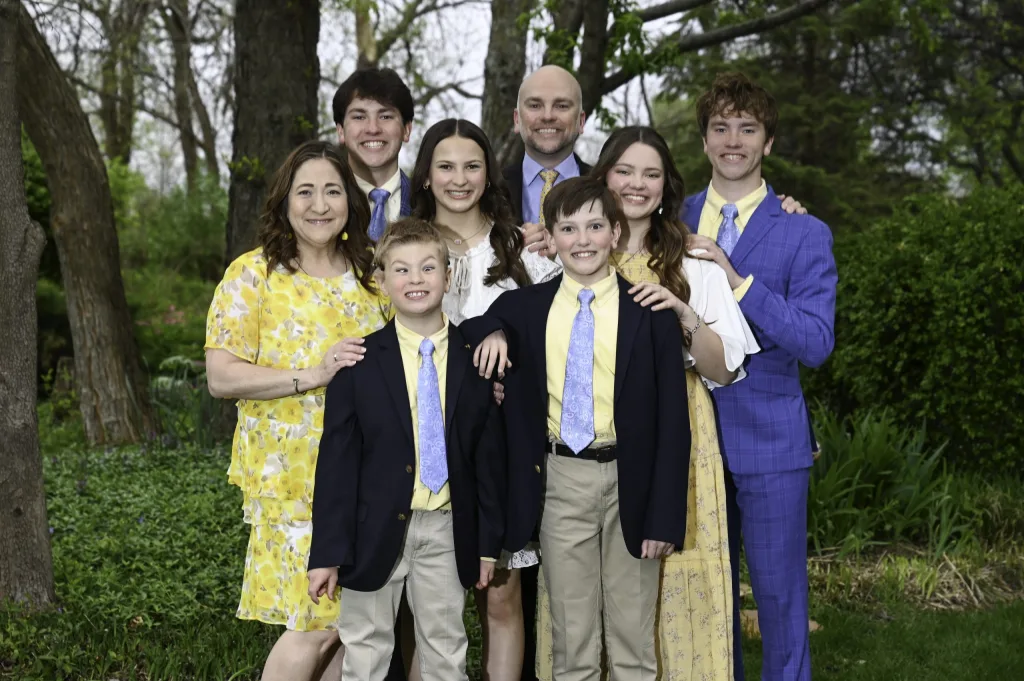
She and her husband Daniel have six children, and one was diagnosed with an FASD.
FASD can occur in individuals exposed to alcohol before birth. Effects can include mental health conditions, learning disabilities, sensory issues and physical impairments.
White quickly realized how few resources exist for those with FASD.
“I would say the majority of individuals with FASD seek an autism diagnosis because they have autistic tendencies,” she said.
Although these individuals don’t have autism, some of their symptoms overlap, and many more resources are available for those with autism.
“This [bill], I believe, will change that,” said White, “because I believe that schools, doctors and therapists will learn about FASD and then start understanding how to treat and support [individuals] better, so they don’t have to try to get a different diagnosis for support.”
White said many women aren’t aware of the impact alcohol consumption can have during pregnancy, and that even early on it can permanently change the baby’s brain chemistry.
As she learned more, she was moved to take action.
“My understanding is that the autism world started out very grassroots,” said White, “with parents like me fighting for understanding of their kids’ brain-based disability.”
Garnering support
Five years ago, White joined two producers who were working on a film called “The FASD Project.”
“They started traveling through the United States, because what they learned was that women self-reported binge drinking during the pandemic,” said White.
The goal of the film was to raise awareness of the effects of alcohol consumption during pregnancy.
White joined the production team as a photographer, capturing B-roll footage of families in Kansas and Colorado impacted by FASD.
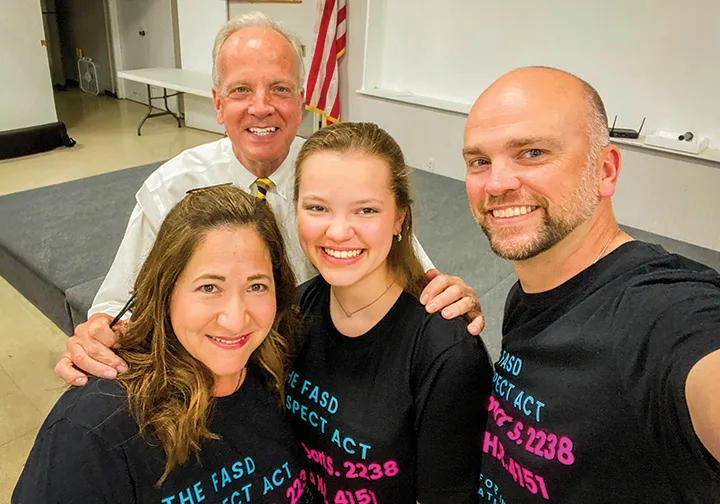
She also began working with the national nonprofit FASD United and advocating for the FASD Respect Act, which was designed to raise awareness and provide resources, education and research programs.
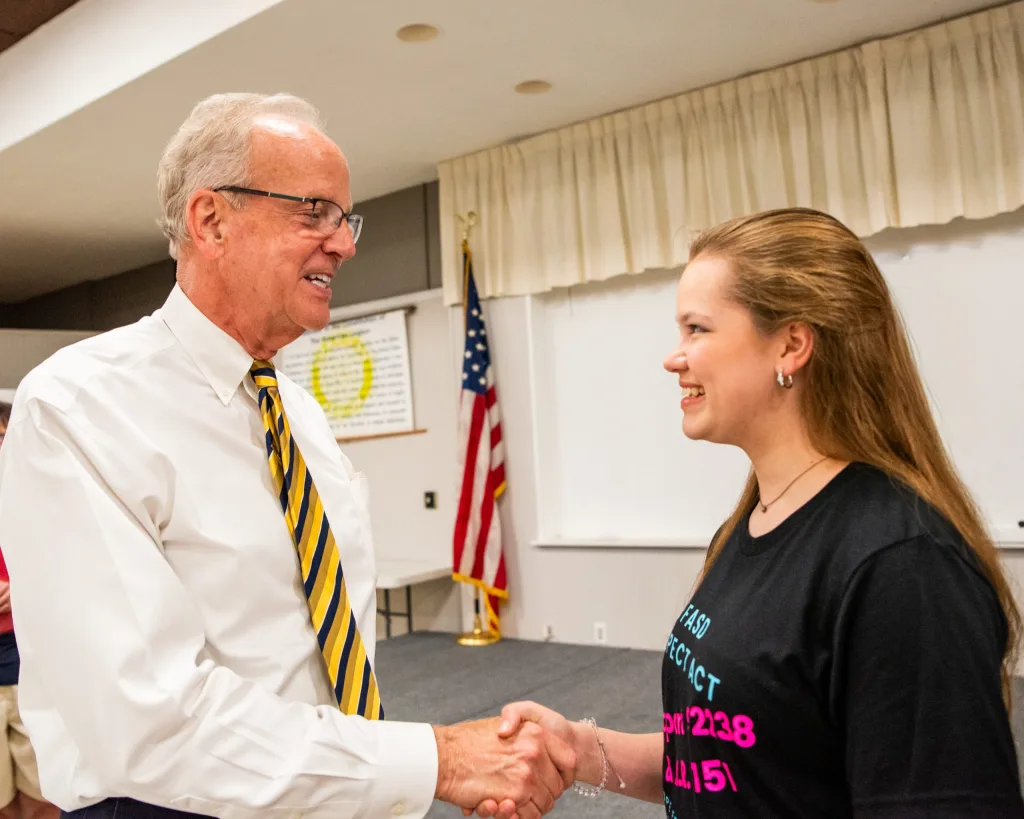
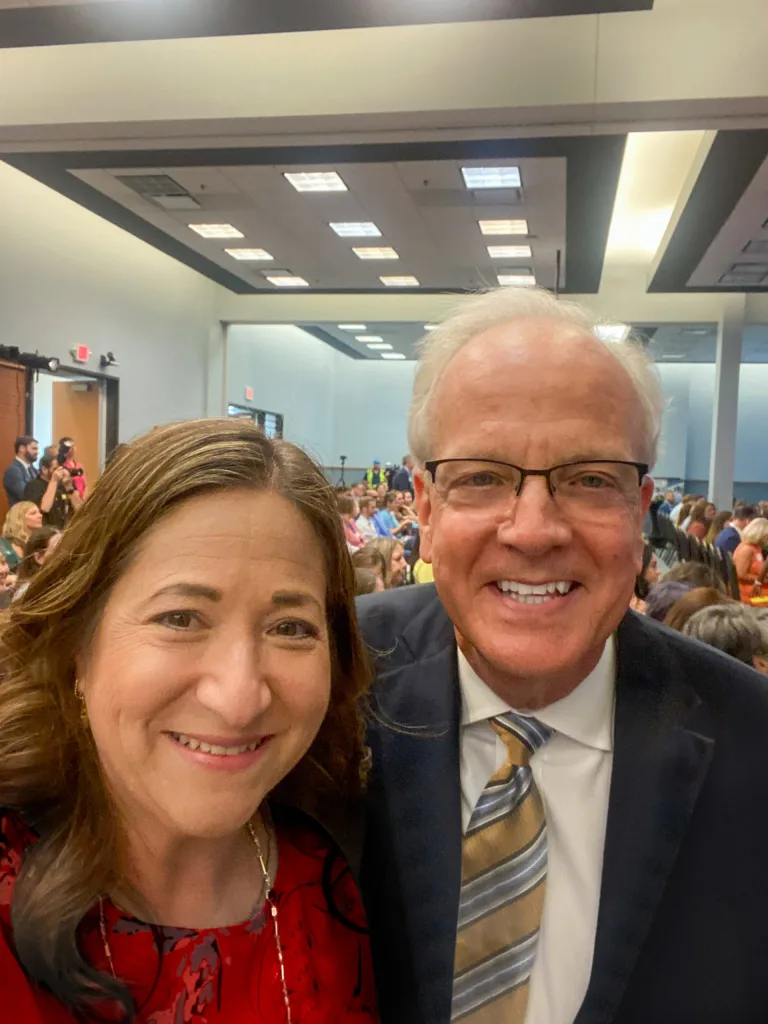
She and her oldest daughter Hannah attended a town hall meeting with Sen. Jerry Moran in Topeka, where they asked for his support.
About a week later, White received a phone call from Moran telling her that he believed in the work she was doing and would cosponsor the FASD bill.
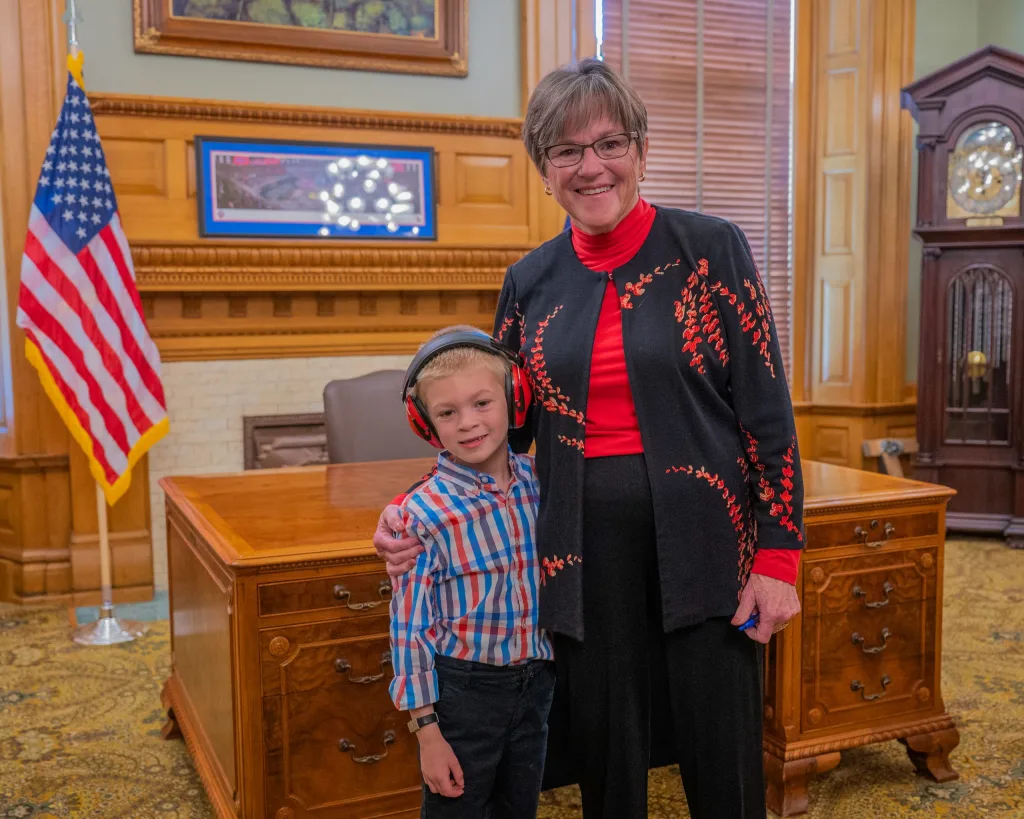
White has also met with Rep. Sharice Davids, Gov. Laura Kelly and Sen. Kellie Warren, who have all expressed support for the bill, which initially stood on its own during the 117th, 118th and 119th congresses.
“Last year, the bill went for what’s called a hotline,” said White, “and so, if no one objects to the bill, then it’s signed into law.”
It was presented to Congress, and just one senator — a self-proclaimed obstructionist — voted against it.
Eventually, the bill was tucked into the larger reauthorization act and passed last year.
Looking ahead
As part of the provisions for FASD, each state will be able to open a Center for Excellence and receive funding to support FASD prevention through screenings, public awareness campaigns and trainings.
The centers will also offer resources to individuals and families affected by FASD.
Warren introduced a bill to open a Center for Excellence in Kansas, which White hopes will pass.
For now, she continues to advocate for FASD awareness.
“I would’ve never known anything about FASD had it not been for [my son] in my life,” she said. “I would not have been on this journey of political advocacy.”
“I’m excited that individuals can have a voice,” she added, “and people with FASD can be understood.”