by Paul Malley
As the dust settles from the 2026 midterm elections, dramatic shifts in our national and state political dynamics are in play.
Such changes can provoke anxiety for some and excitement for others. As new arrivals in Kansas, our family has walked the road of major transition these past few months and has felt those emotions too.
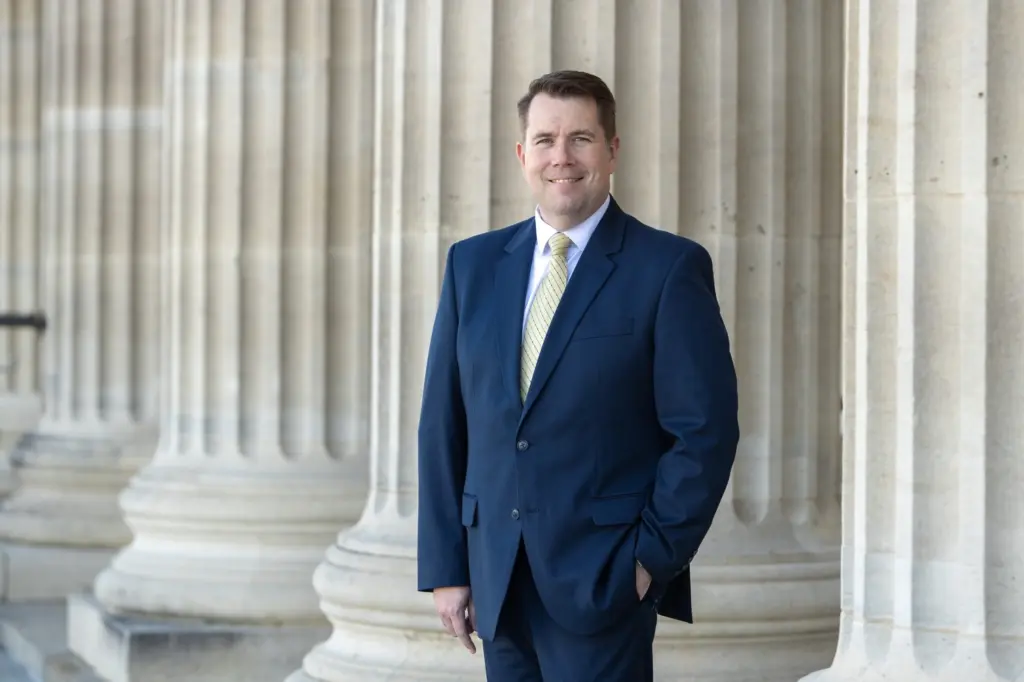
I am grateful to Archbishop Shawn McKnight and the bishops of Kansas for the invitation to lead the Kansas Catholic Conference. It is a profound honor to represent our bishops and the church in public policy, and to join you as neighbors in America’s heartland.
During more than 25 years of living and serving in Florida’s capital city — in ministries supporting pregnancy resource centers, prison reentry, dignified care for the seriously ill and opposing assisted suicide — my wife and I saw firsthand the common thread of inherent human dignity at the heart of Catholic Social Teaching.
Our family also educated our six children through Catholic schools, public schools and homeschooling. Each path brought unique challenges, but all were rooted in a sincere desire for our children’s good.
Political discourse can get hot. Yet in my experience working with people across the political spectrum, nearly everyone is trying to do what they believe is right. That shared intent is reason enough to engage constructively in pursuit of what is truly good and beautiful.
The church offers timeless wisdom for understanding the common good. In 1891, amid the sweeping upheavals of the Industrial Revolution, Pope Leo XIII wrote the pivotal encyclical “Rerum Novarum.” Talk about a time of change! Laborers faced grueling hours and meager wages as new machines transformed the way people worked and lived. In that same decade, my ancestors left their family plot of land in Ireland and boarded a ship to America, never to return.
Fast forward to our own day. Pope Leo XIV, the first American-born pontiff, has beautifully articulated the church’s social doctrine in his recent encyclical, “Magnifica Humanitas,” which addresses the rise of artificial intelligence. Just as the church guided the faithful through industrialization, she now guides us through the digital age and the issues of our time.
Amid shifting dynamics, the foundations remain unchanged. Every person is made in the image of God and must be treated as such, without exception. We are bound to one another and share a responsibility to help each person flourish. And we must guard the fundamental freedoms that allow individuals and families to lead vibrant, virtuous lives.
There will always be differences of opinion on how these principles translate into specific laws. But whether our preferred party is in the majority or the minority, the inviolable dignity of the human person remains our anchor.
We can hold fast to this truth when political topics inevitably come up around our Thanksgiving tables later this month. When in doubt, love the person first and focus on what binds us together. Above all, remember that “Jesus Christ is the same yesterday, today and forever” (Hebrews 13:8).
What a providential time to be alive, engaged and working together for the common good in Kansas!