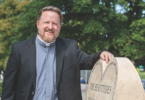
by Brad Heidrick
It seems like every year at this time, at least one person asks, “So, what are you going to give up for Lent?” While sacrifices are certainly an important part of this time of year, at Catholic Community Health, we’re usually asking instead, “How can we do more?”
It’s easy to think of things in our ministry in terms of routine — keeping a vigilant and consistent schedule of care. But residents and patients are not all cut from the same cloth. Our responsibility is to care for each person as an individual, to serve each soul entrusted to us with attention and dignity. Much of the work of Catholic Community Health is quiet. But the needs it addresses are persistent, practical, and deeply human. We believe Catholic care is synonymous with quality care, and honoring the dignity of the person is how we seek to do more.
People are sometimes surprised to learn that some of the greatest challenges in caring for the elderly and the dying are not medical at all. In many ways, providing the care itself is a blessing. The ongoing challenge is sustaining that care — particularly when Home Care services and Villa St. Francis are underfunded by Medicaid.
Bridging that gap is essential to fulfilling our mission to care for the poor and marginalized.
This work is made possible through the shared time, talent, and treasure of staff, volunteers, and supporters who understand what this ministry requires. Quality healthcare is not accidental. It is built, protected, and sustained — often by people who never meet the patients whose lives they quietly improve. We’re blessed to receive support each year through the Archdiocesan Call to Share. When you respond to this call, you are at the bedside, caring for the elderly, infirm, sick, and dying. You are helping sustain our strong nursing staff and providing access to quality care and compassionate service, regardless of an individual’s ability to pay.
The needs we encounter aren’t always monetary. Hospice patients may need clothing in a different size, or simple hygiene and toiletry items that preserve comfort and dignity at the end of life. Meeting those needs is part of what it means to care for the whole person.
Each day residents at Villa St. Francis gather to pray the rosary. Their prayer is a source of inspiration and a reminder to never grow weary in supporting them, and all those served by Catholic Community Health.
As Lent begins, perhaps the better question is not only what we might give up, but how we might do more.